The Beginner's Guide to Skin Purging vs Breaking Out
Written by Team Neothera | Reviewed By Neothera Medical Panel
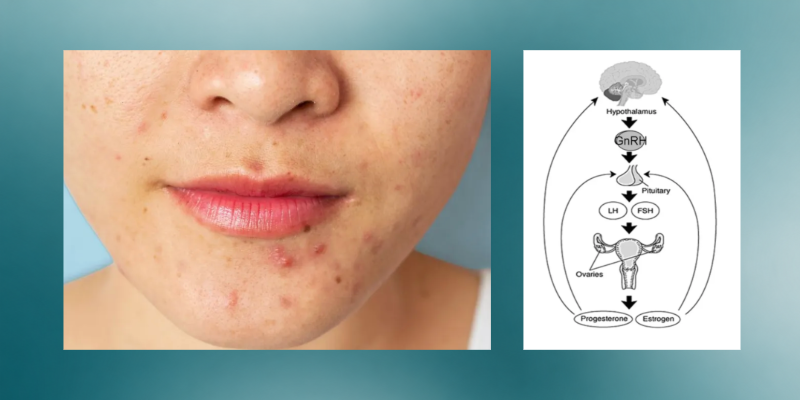
Your skin is constantly forming tiny clogged pores under the surface. When you start certain acne treatments, they make your skin bring those clogs up faster. So you might notice suddenly that your skin is starting to break out. This phenomenon is known as ‘purging’. Purging is a normal reaction to potent actives and settles over time as your skin gets more adjusted to it.
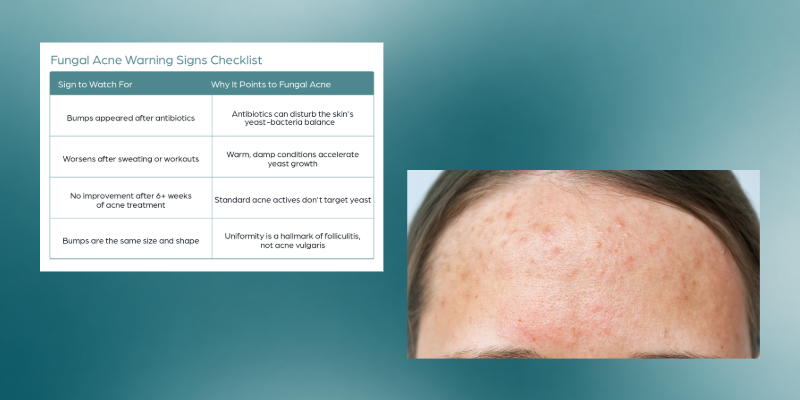
But how do you tell an acne breakout from a purging breakout? If it's skin purging, you'll see smaller, faster-clearing spots pop up in your usual breakout zones, and it should settle within a few weeks. If it's a genuine breakout or irritation, you'll see new blemish patterns in fresh areas (not only in your usual spots) that is independent of you using the formulation.
What Is Skin Purging, Meaning and All
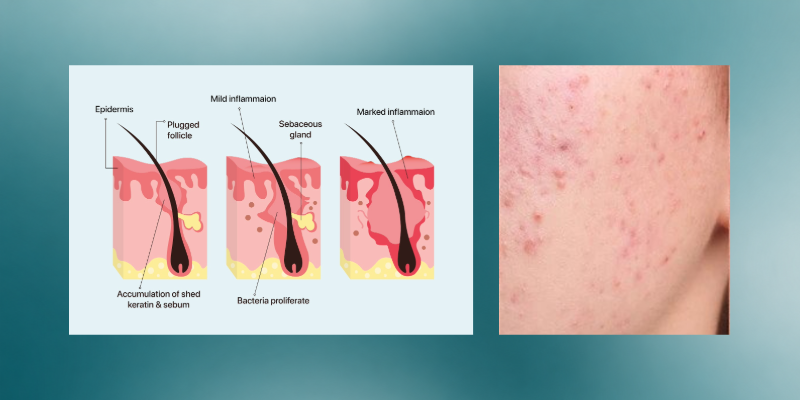
Skin purging, in plain terms, is your skin fast-tracking congestion that was already sitting under the surface. When you introduce actives like retinoids, salicylic acid or AHAs, they speed up cell turnover, which pushes existing blockages up faster than they'd naturally surface. It looks like new acne, but it isn't new at all. It's old congestion, just arriving early.
This matters because it's the opposite of irritation, where the product is genuinely upsetting your skin rather than clearing it out.
Purging or Breaking Out? Here's How to Tell
The clearest giveaway is location. Purging shows up where you usually break out, since that's where the hidden congestion already lives. A genuine breakout or irritation reaction tends to appear somewhere new, like cheeks or temples if you're normally only spotty around the jaw.
Timing helps too. Dermatologist Dr Sam Bunting notes that as many as one in four people go through this destabilising period in the first six weeks of a new routine. Purging typically starts within one to four weeks of a new active and clears faster than your normal spots, often in three to seven days. Irritation, by contrast, tends to linger or worsen rather than resolve on its own.
Where Does Accutane AKA Oral Isotretinoin Fit Into This? Does It Cause Your Skin To Purge?
An Accutane skin purge works on the same basic principle. Isotretinoin, the active ingredient in Accutane, dramatically shrinks oil glands and speeds up cell renewal, which stirs up congestion sitting beneath the skin, much like topical retinoids do, just more intensely. Dermatologists usually expect this phase to settle within the first four to six weeks of treatment, and it's manageable with dose adjustments if things get too dramatic.
What Happens After Skin Purging?
After skin purging settles, expect fewer new spots, smoother texture, and clearer skin than when you started, since the active ingredient continues working long after the visible chaos ends. If you're tracking before and after skin purging results, photograph your skin in the same lighting each week rather than checking daily, since day-to-day fluctuation can be misleading and the real trend only shows up over a few weeks.
Managing the Purge Without Panicking
Purging tests patience more than skin. The urge to abandon a new active the second things flare up is real, but switching too soon usually means restarting the whole adjustment period from scratch with something else. Riding it out, with the right support, is almost always the faster route to clear skin.
While your skin works through the purge, keep the rest of your routine calm rather than aggressive. Supporting flare-up prone areas with something soothing and hydrating, like the Rebuild + Hydrate | Weightless Moisturizer, can help keep your skin comfortable without adding more potentially irritating actives. Since purging is also a sign of internal processes speeding up, supporting your skin from within with the Clear + Balance | Acne Nutrition Support can help your body handle the adjustment more smoothly.
If purging feels unpredictable every time you try a new active, it's worth understanding your skin's actual triggers rather than guessing product by product. Neothera's skin science breaks down exactly how root causes and active ingredients interact. And if benzoyl peroxide is next on your list, our guide on benzoyl peroxide for acne covers what to expect before you start.
FAQs on Skin Purging
Does everyone experience skin purging when starting actives?
No. Purging depends on how much hidden congestion you already have, so some people barely notice it.
Can purging happen with gentle products too?
It's rare. Purging is mainly linked to ingredients that speed up cell turnover, not gentle hydrating formulas.
Should I reduce how often I use an active during purging?
Yes, if it feels overwhelming. Using it every other day instead of daily can ease the intensity without stopping progress.
Is purging a sign the product is working?
Generally yes, since it means the active is reaching and clearing congestion that was already there.
Can stress make purging look worse than it is?
Yes. Stress can trigger its own breakouts alongside purging, making it harder to separate the two causes.