Benzoyl Peroxide for Acne: A Dermatologist-Approved Beginner's Guide
Written by Radhika Agarwal
If you've ever visited a dermatologist for acne, chances are benzoyl peroxide for acne was the first thing prescribed. It's one of the most clinically backed actives available over the counter - and for good reason. This guide covers how it works, how to use benzoyl peroxide for acne safely, and what to watch out for along the way.
*All information here is based on scientific research and reviewed by Neothera's in-house board-certified dermatologist. This isn't a prescriptive treatment plan - consult a dermatologist before introducing potent actives into your routine.*
What Is Benzoyl Peroxide and How Does It Fight Acne?
Benzoyl peroxide (BPO) is a widely studied, effective treatment for mild to moderate acne vulgaris. Its primary action is antimicrobial - it targets Cutibacterium acnes (formerly known as P. acnes), the bacteria responsible for acne breakouts.
Here's what happens on application:
-
BPO breaks down into free oxygen radicals inside the skin, which cut through the bacterial cell membrane and kill acne-causing bacteria
-
It breaks down keratin, helping unclog pores and remove dead skin cells
-
It reduces inflammation and redness, visibly calming active breakouts
One key advantage: unlike topical antibiotics such as clindamycin, benzoyl peroxide for acne doesn't carry a risk of antibiotic resistance - making it a preferred first-line treatment among dermatologists. Its broad-spectrum antimicrobial activity can last up to 48 hours even in conditions favourable for bacterial growth.

Benzoyl Peroxide vs Salicylic Acid for Acne - Which Is Stronger?
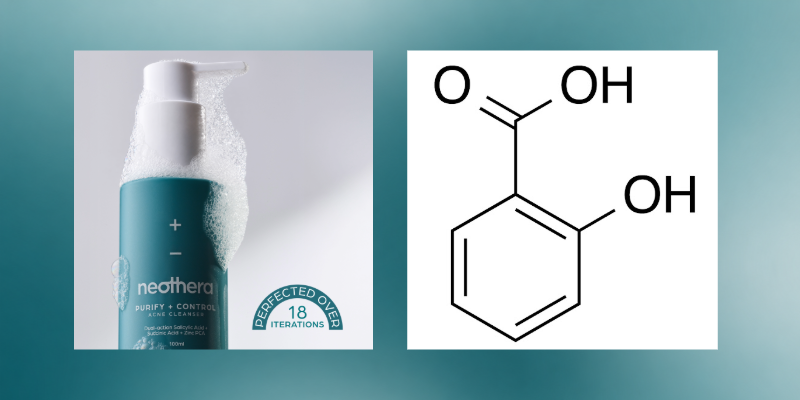
When comparing benzoyl peroxide vs salicylic acid for acne, they work differently. Salicylic acid is a BHA that unclogs pores by dissolving sebum and dead skin - it's preventive and exfoliating. Benzoyl peroxide is antibacterial and anti-inflammatory, directly targeting the bacteria driving active breakouts.
Benzoyl peroxide effectiveness for acne is generally considered higher for moderate, inflamed acne - it acts faster than retinoids and is more potent than salicylic acid, azelaic acid, or sulfur spot treatments in that context. That said, benzoyl peroxide and salicylic acid for acne can work together in a routine when used at different steps, as long as they're not layered directly on top of each other.
How to Use Benzoyl Peroxide for Acne
BPO is best used as a targeted spot treatment rather than all over the face - it can over-dry the skin when used broadly, and has limited benefit in a rinse-off format like a cleanser.
Do's
-
Use it at night, given its photosensitive nature
-
Apply only after cleansing the face
-
Use a rice grain-sized amount directly on the acne lesion - more product doesn't mean faster results
-
Follow with a non-comedogenic moisturiser to support the skin barrier
-
Wear SPF 50+ every day without exception
Don'ts
-
Don't apply to open, broken, or bleeding acne lesions
-
Don't apply all over the face; targeted use only
-
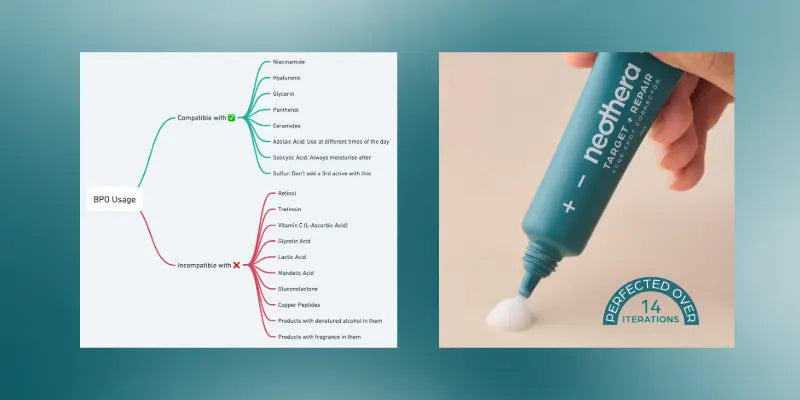
Don't layer with Vitamin C, retinoids, or exfoliants in the same routine

Who Can Use Benzoyl Peroxide?
Most people above 12 years of age can use BPO safely. Those who are pregnant, breastfeeding, or new to the ingredient should consult a dermatologist before starting. Anyone with a known allergy to benzoyl peroxide should avoid it entirely.
Are There Any Side Effects?
Side effects are common but mostly temporary:
-
Mild dryness at the site of application
-
A mild stinging or itching sensation post-application that usually subsides
-
Increased UV sensitivity, which is why daily SPF is non-negotiable
Patch testing before full use is strongly recommended. If severe burning, persistent redness, or worsening dryness occurs, discontinue immediately and consult a dermatologist.
Does Benzoyl Peroxide Help with Acne Marks and Scars?
Benzoyl peroxide for acne marks works indirectly; by resolving active breakouts faster and reducing inflammation, it limits the post-inflammatory pigmentation that leads to marks. Benzoyl peroxide for acne scars, however, is a different story. Deep or textured scarring typically requires in-clinic treatment rather than topical actives alone.
For active breakouts and the discoloration they leave behind, a targeted spot treatment used consistently is the most practical approach. Neothera's Target + Repair | Acne Spot Corrector is designed for exactly this - combining acne-fighting actives with skin-repair support to address both the lesion and what it leaves behind.
The Bottom Line on Benzoyl Peroxide Effectiveness for Acne
How effective is benzoyl peroxide for acne? Clinically, it's one of the most reliable topical options available - faster-acting than retinoids, stronger than most OTC alternatives for moderate acne, and without the antibiotic resistance risk of antimicrobial gels. Used correctly, it tackles active acne lesions, reduces inflammation, and fights the bacteria behind breakouts.
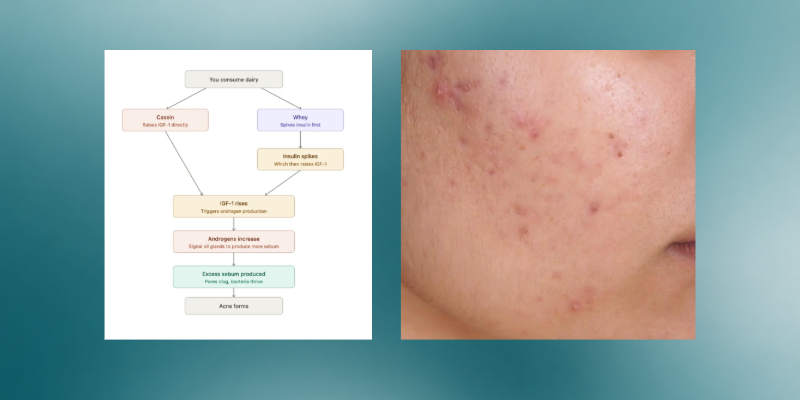
What it won't do is address the root cause of acne. For that, a more comprehensive approach, such as looking at hormones, gut health, diet, and the full skincare routine is needed.
FAQs on Benzoyl Peroxide For Acne
-
How to use benzoyl peroxide for acne without drying out the skin?
Apply a rice-grain-sized amount directly on the lesion at night, follow immediately with a non-comedogenic moisturiser, and use SPF 50+ during the day. Starting with a lower concentration (2.5%) helps minimise dryness. -
Is benzoyl peroxide good for acne scars?
It helps prevent new scarring by resolving active breakouts faster, but it doesn't treat existing deep or textured scars. For those, a dermatologist-guided in-clinic treatment is more appropriate. -
Benzoyl peroxide vs salicylic acid for acne, which should I use?
For active, inflamed breakouts, benzoyl peroxide is generally more effective. For preventing new blockages and managing oily, acne-prone skin, salicylic acid is a better fit. Both can be used in the same routine at different steps. -
Can benzoyl peroxide and salicylic acid for acne be used together?
Yes, but not layered directly on top of each other. A salicylic acid cleanser in the AM and a benzoyl peroxide spot treatment at night is a common and effective combination. -
What is the right concentration of benzoyl peroxide for acne?
2.5% is considered equally effective to higher concentrations with significantly less irritation. It's the recommended starting point for most people.
Neothera's 8-week system is designed with dermatologists, nutritionists, and R&D experts. Neo by Neothera, is a 24x7 companion, that lives in your WhatsApp to answer any questions you have and give real-time insights.