Hormonal Acne and Period Acne: Why It Happens and How to Manage It
Written by Team Neothera
If breakouts appear like clockwork before every period - especially along the jawline, chin, or lower cheeks - it's not a skincare failure. It's hormonal acne, and it's rooted in the body's own physiology, not in anything being done wrong. Period acne is one of the most common skin concerns among women, yet it's frequently misunderstood as a random occurrence rather than a predictable biological pattern.
All information here is based on scientific research and reviewed by Neothera's in-house Medical Panel. This isn't a prescriptive treatment plan by any means.
What Is Hormonal Acne?
Hormonal acne is acne that's directly driven by fluctuations in the body's hormone levels - particularly estrogen, progesterone, and androgens. Unlike acne triggered by external factors like pore-clogging products or poor hygiene, hormonal imbalance acne originates from within the endocrine system.
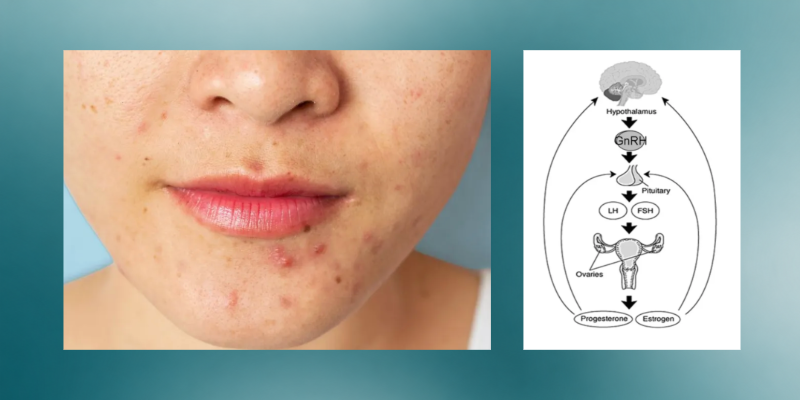
The menstrual cycle is regulated by the HPO axis - the communication loop between the hypothalamus (in the brain), the pituitary gland, and the ovaries. When this loop triggers hormonal shifts across the cycle, the skin responds. For many women, that response shows up as acne around period time, month after month.

Hormonal Acne Causes: What's Actually Happening in the Body
To understand hormonal acne causes, it helps to look at what hormones are doing at each stage of the cycle. In the first half of the cycle (after the period ends), estrogen levels rise. The skin barrier is stronger, oil production is balanced, and inflammation is lower - skin generally feels calmer during this phase. In the second half (after ovulation), progesterone levels increase. The sebaceous glands start producing more oil, and pores clog more easily.
Right before the period, both estrogen and progesterone drop sharply. This is the peak window for acne due to periods, the decline in these hormones makes androgen (testosterone) activity more noticeable, which increases oil production, raises inflammation, and triggers breakouts. This is also why acne before and after period can feel like two different problems: the pre-period flare is hormonally driven, while acne post-period may be the tail end of that same cycle resolving itself.
Is Period Acne the Same as Hormonal Acne?
Period acne isn't a separate condition, it's simply hormonal acne tied to one point in the cycle. As estrogen, progesterone, and androgen levels shift throughout the month, the breakouts that appear right before or during a period are one expression of that larger hormonal pattern, not a standalone issue. Because these flares tend to repeat monthly, a consistent routine works better than a one-off spot treatment.

What Does Period Acne Look Like, and Where Does It Appear?
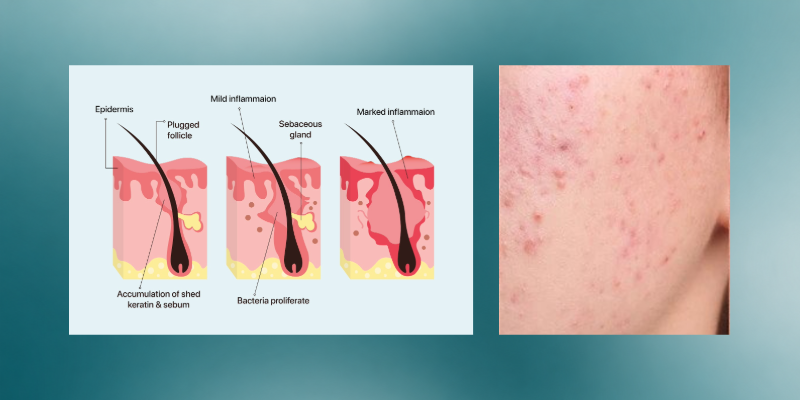
Hormonal acne (re: Period acne) on cheeks, the jawline, and the chin is the most common presentation of acne during period and pre-period flares. The lower third of the face has a higher concentration of sebaceous glands, making it more reactive to hormonal fluctuations.
Classic signs include:
- Red, inflamed bumps that feel deeper or more tender than surface-level pimples
- Breakouts that appear 7–10 days before the period and start improving once it begins
- A pattern that repeats for at least two consecutive cycles
Hormonal acne on cheeks and the jawline tends to feel different from regular acne - more painful, more stubborn, and less responsive to standard topical treatments alone. Acne around period time also tends to cluster in these specific zones rather than appearing randomly across the face.

When Does Period Acne Go Away?
When does period acne go away? For most women, acne during period and pre-period flares begin to improve once menstruation starts, as estrogen levels begin to rise again. The skin typically starts calming down within the first few days of the period. Acne post period - any residual marks or healing lesions - can linger for a week or two depending on how the breakout was managed and individual skin recovery speed.
The pattern of acne before and after period tends to repeat each cycle, which is why consistent management (rather than reactive treatment) makes the most difference over time.
How to Get Rid of Hormonal Acne
Getting rid of hormonal acne or period acne completely isn't possible. Hormonal fluctuations are a natural part of the menstrual cycle and cannot (and shouldn't) be eliminated. What is possible is reducing how intensely the skin reacts to those fluctuations, and preventing period acne from becoming long-term marks or scars.
Topical Actives That Help
The following actives can help manage acne due to periods when used mindfully and consistently:
- Benzoyl peroxide spot treatment - the Target + Repair Acne Spot Corrector targets acne-causing bacteria at the source and helps shrink active pimples faster. Since it makes skin more photosensitive, it works best applied at night. A moisturizer and SPF the next morning keep skin protected and prevent dryness or irritation.
- Salicylic acid cleanser - Neothera’s Purify + Control Acne Cleanser exfoliates deep within pores, clears out buildup, and fights acne-causing bacteria with regular use. A 2% concentration is an effective, gentle starting point for most skin types. Following up with a hydrating moisturizer helps balance the skin barrier.
- Sulfur spot treatment - unclogs pores, dries out active acne, and fights bacteria
Avoid aggressive physical or chemical exfoliation during a flare. Use non-comedogenic barrier-repairing moisturizers containing ceramides and panthenol - like Neothera's Rebuild + Hydrate | Weightless Moisturizer - to support the skin through hormonal shifts.
Lifestyle Factors That Make a Difference
Skincare alone doesn't determine how intensely hormonal acne presents. Several lifestyle factors influence how the skin responds across the cycle:
- Sleep: 7-8 hours of uninterrupted sleep helps regulate stress and systemic inflammation
- Movement: regular exercise helps lower cortisol levels, which directly affects acne around period time
- Diet: keeping sugar and refined carbohydrates low while increasing protein, fibre, and probiotics helps regulate insulin signalling and supports the gut-skin connection
When to Seek Medical Help
If period acne is severe, persistent, worsening with each cycle despite lifestyle changes and OTC treatment, or is accompanied by excess facial hair growth, hair loss, or pigmentation changes - medical intervention may be needed. A dermatologist or gynaecologist may recommend oral contraceptives, retinoids, or antibiotics depending on severity and individual context. Never start or stop such medication without professional guidance.
Period Acne Is a Signal, Not a Failure
The skin isn't working against the body - it's communicating with it. When hormonal acne and acne due to periods are approached as markers of internal health rather than just surface problems to suppress, managing them becomes more effective, less frustrating, and far more sustainable.
Consistent skincare habits, lifestyle support, and medical guidance when needed are the three pillars of managing period acne well over time.
FAQs
What is hormonal acne?
Hormonal acne is acne driven by fluctuations in hormones, particularly estrogen, progesterone, and androgens, rather than external skin factors. It's closely tied to the menstrual cycle and tends to follow a predictable monthly pattern.
What causes hormonal acne?
Hormonal acne causes include the drop in estrogen and progesterone just before menstruation, which increases androgen activity, raises oil production, and triggers inflammation, leading to period acne flares.
When does period acne go away?
Period acne typically starts improving once menstruation begins and estrogen levels start rising again. Most active breakouts begin to resolve within the first few days of the period, though acne post period marks can linger for a couple of weeks.
Where does hormonal acne appear?
Most commonly on the lower third of the face - the jawline, chin, and lower cheeks. Hormonal acne on cheeks and the jawline tends to present as deeper, more tender, inflamed bumps compared to surface-level acne.
Is acne before and after period normal?
Yes, acne before and after periods is a common pattern driven by hormonal shifts. Pre-period flares are caused by the drop in estrogen and progesterone, while acne post period is usually the tail end of that same flare resolving.