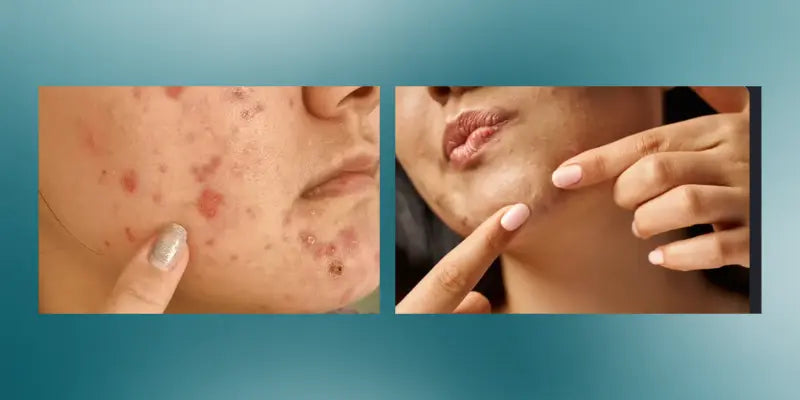
Face Touching and Acne: Why It Happens and How to Stop It
Written by Team Neothera | Reviewed by Neothera Medical Panel
Key Takeaways About Face Touching and Acne
- Touching your face does not directly cause acne, but it can worsen existing breakouts by transferring oil, bacteria, and debris to the skin.
- Picking or squeezing breakouts can increase inflammation and raise the risk of scabbing, post-acne marks, and permanent scarring.
- Simple changes, such as cleaning frequently touched surfaces, and recognising your triggers, can help reduce unnecessary face touching.
- A gentle acne routine that manages excess oil and bacteria without damaging the skin barrier can help minimise the impact of frequent face touching.
Sometimes, if acne breakouts keep showing up on your chin, cheek, or jaw, the culprit despite your diet being fibre and protein-rich and your hormonal panels showing that everything’s normal, it could be something that you’ve been ignoring (in plain sight) - “your hands”
Wondering how this happens? Every time you touch your face, whatever's on your fingers, oil, bacteria, dirt, product residue, transfers straight onto your skin. Do that dozens of times a day without realising it, and you've got a habit quietly working against your skincare routine.
You're Touching Your Face More Than You Think

Most face touching happens completely unconsciously. Studies observing people throughout the day have found they touch their faces anywhere from 15 to 25 times an hour, often around the mouth, nose, and jaw, which happen to be common breakout zones too. Stress, boredom, and screen time all make the habit worse, which is partly why it spikes during long work calls or late-night scrolling.
Does Touching Actually Cause Breakouts?
Not entirely on its own. Acne is driven by a mix of hormones, genetics, oil production, and bacteria, so touching your face isn't usually what starts a breakout from scratch. But it can absolutely make things worse on skin that's already reactive or congested, especially if your skin barrier is already compromised. Your hands pick up bacteria, oil, and debris from everything they touch first, your phone, your keyboard, doorknobs, even your own hair, and transfer all of it to your face on contact. Even hands that look clean can carry invisible residue that disrupts an already-compromised barrier.
Picking Makes Everything Worse
If a breakout does show up, the instinct to squeeze or pick at it is one of the most damaging things you can do. Picking pushes bacteria deeper into the skin, increases inflammation, and often turns a small blemish into a larger, longer-lasting one. It can also break the skin, leading to scabbing, post-acne marks, and in more severe cases, permanent scarring. If a spot isn't ready to come out on its own, leaving it alone and letting your treatment routine do the work is almost always the better outcome. This is also where spot patches earn their keep, since they physically block access to the area.
Breaking the Habit Without Overthinking It
Trying to consciously track every single touch is unrealistic given how frequent and automatic the habit is. A few practical shifts make a bigger difference than willpower alone:
- Keep your hands occupied with something else, a pen, a stress ball, anything that gives them somewhere to go
- Tie your hair back if loose strands keep pulling your hands toward your face
- Keep your phone screen and pillowcases clean, since both pick up oil and bacteria that transfer straight back to your skin
- Notice your triggers. Stress and boredom tend to increase the habit, so catching those moments helps more than trying to eliminate touching altogether
- Use spot patches on active breakouts. They create a physical barrier that makes picking harder even when the urge is there
Products That Help Manage the Damage
Since bacterial transfer is the core issue, a routine that targets bacteria without stripping the skin barrier makes the biggest difference. The Purify + Control | Acne Cleanser by Neothera uses Dual-Action Salicylic Acid alongside succinic acid and Zinc PCA to clear excess oil, impurities, and the residue that builds up from daily contact, without over-drying skin that's already reactive.
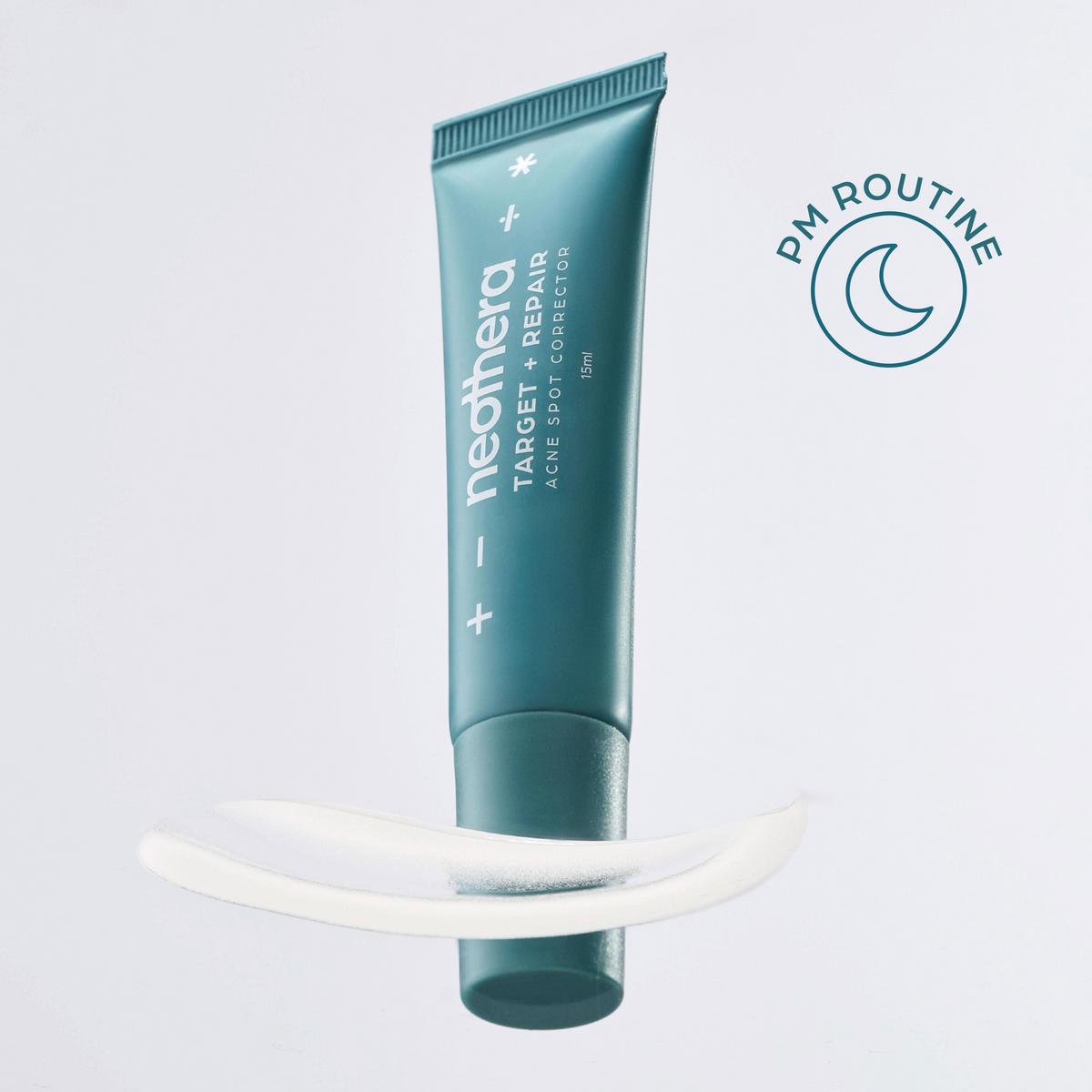
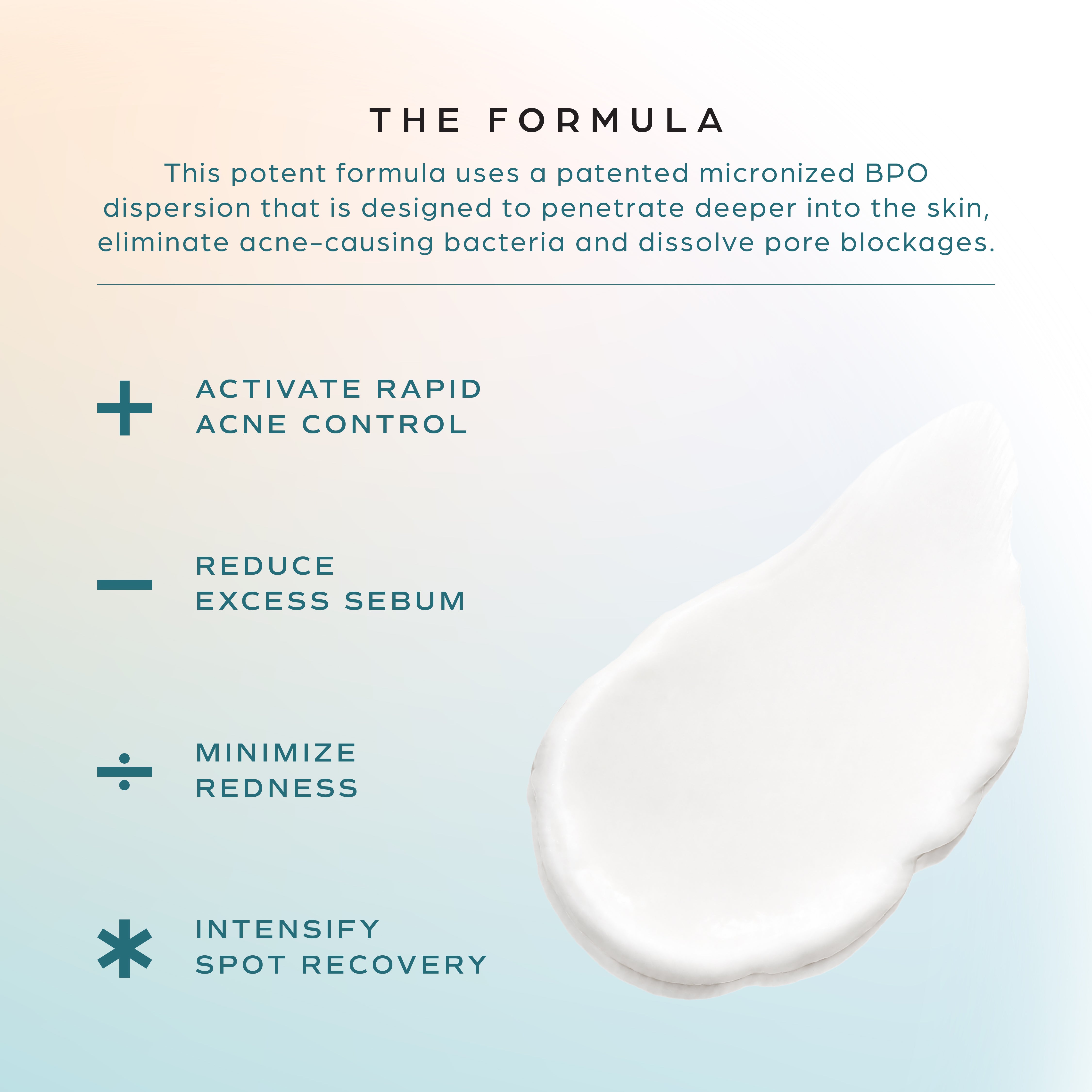
For active breakouts, the Target + Repair | Acne Spot Corrector combines 4% Micronized Benzoyl Peroxide with Salicylic Acid and Hyaluronic Acid, treating the bacteria directly while still supporting the skin barrier rather than adding more stress to an already irritated spot.
If breakouts persist regardless of how closely you manage face touching, it's worth looking at your skin's broader triggers. The 8-Week Acne System is built to map out what's actually driving your breakouts, whether that's habits, hormones, or something else.
FAQs on Acne by Touching the Face
1. Does the type of touch matter, a quick tap versus resting your hand for a while?
Yes. Duration and pressure both matter. A brief touch transfers far less than resting your chin or cheek against your hand for several minutes, which is why propping your face up during calls or reading tends to cause more visible breakouts than incidental contact.
2. Is face-touching acne the same as acne mechanica?
Not quite. Face-touching acne is mainly about bacterial and oil transfer from your hands. Acne mechanica is caused by friction and pressure, which can include resting your face on your hand, but also covers things like tight collars or sports equipment. The two can overlap, but they're driven by different mechanisms.
3. Can I have both face-touching acne and hormonal acne at the same time?
Yes, and it's fairly common. Hormonal fluctuations can make skin more reactive to begin with, which makes it more vulnerable to breakouts from repeated contact. If breakouts follow your cycle but also cluster in areas you touch often, both are likely contributing.
4. Should I wash my pillowcase more often if I touch my face a lot at night?
Yes. Pillowcases pick up oil and bacteria from your hands and face throughout the week, and sleeping on the same surface repeatedly adds hours of extra contact. Washing it every two to three days helps.
5. Does benzoyl peroxide help with acne caused by touching?
Yes. It directly targets the bacteria transferred through contact while calming inflammation. Used as a spot treatment rather than all over the face, it works well for the localised patches this kind of acne tends to create. Read this guide to Benzoyl Peroxide for acne for the full breakdown.
Products from this post