Dermatologist Tips: How to Pick the Right Acne Spot Corrector
Written by by Team Neothera | Reviewed by the Neothera Medical Panel
Key Takeaways About Acne Spot Correctors
- The right acne spot corrector to treat acne depends on the breakout..
- Use Salicylic Acid for whiteheads and blackheads, Benzoyl Peroxide for red, inflamed pimples.
- Start Benzoyl Peroxide at a lower strength, such as 2.5%, to avoid dryness or burning if you’re going with a generic product.
- Apply a thin layer only on the blemish, on clean and dry skin. Don't layer multiple actives on one spot.
- See a dermatologist if a spot is painful, cystic or not improving after several weeks.
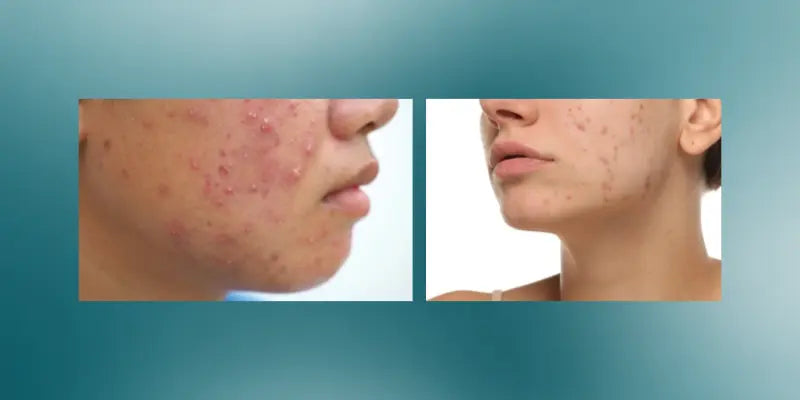
The best acne spot corrector depends on the type of breakout you're treating. Whiteheads and blackheads respond well to Salicylic Acid, inflamed red pimples respond better to Benzoyl Peroxide, and sensitive or reactive skin often does best with gentler, targeted formulas. There's no single best spot corrector for every blemish.
What Actually Makes a Spot Treatment Work?
A spot treatment concentrates one or two actives in a small amount of product, applied directly to a breakout rather than across your whole face. That concentration is what makes it work faster than a leave-on treatment used all over your face, but it's also why picking the right active for the right spot matters more here than anywhere else in your routine. Using the wrong one, or too much of the right one, can leave skin drier or more irritated than the breakout itself. Some spot correctors might work by unclogging pores, some by eliminating acne-causing bacteria, and few do both.
Matching the Active to the Breakout
According to the American Academy of Dermatology, Benzoyl Peroxide is especially effective on mild pimples, while Salicylic Acid unclogs pores and works best on whiteheads and blackheads because it exfoliates rather than kills bacteria.
- Salicylic Acid spot treatment suits congested, and clogged-pore breakouts. Used as a Salicylic Acid as spot treatment, it dissolves the buildup of oil and dead skin sitting inside the pore, working best before a whitehead or blackhead becomes inflamed.
- Benzoyl Peroxide gel spot treatment: suits red, inflamed pimples. The AAD notes products range up to 10% strength, but starting with a lower concentration, such as 2.5%, helps avoid dryness or burning while still getting the benefit.
- Sensitive or reactive skin: a gentler approach targeting inflammation directly, without added exfoliation, tends to be better tolerated. Applying spot treatment only where needed keeps irritation contained. If you have sensitive skin and are using a Benzoyl Peroxide treatment, you can wash it off after 30 minutes of application to get the benefits of Benzoyl Peroxide without stressing out your skin.
How to Use a Spot Corrector Without Overdoing It
Apply a thin layer directly to the blemish on clean, dry skin, and give it time to work rather than layering on more. Using too many actives on the same spot at once raises the odds of irritation without necessarily speeding up results.
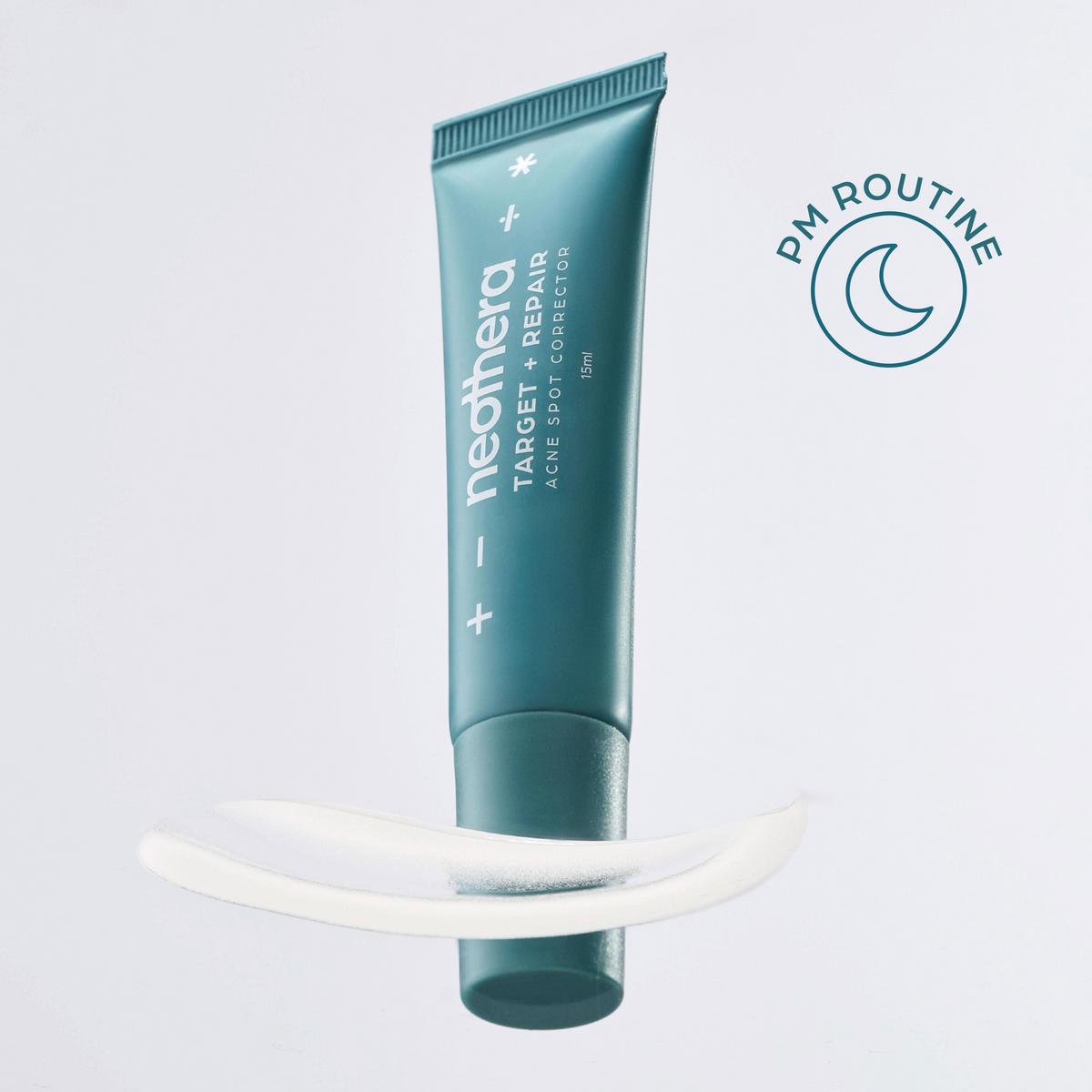
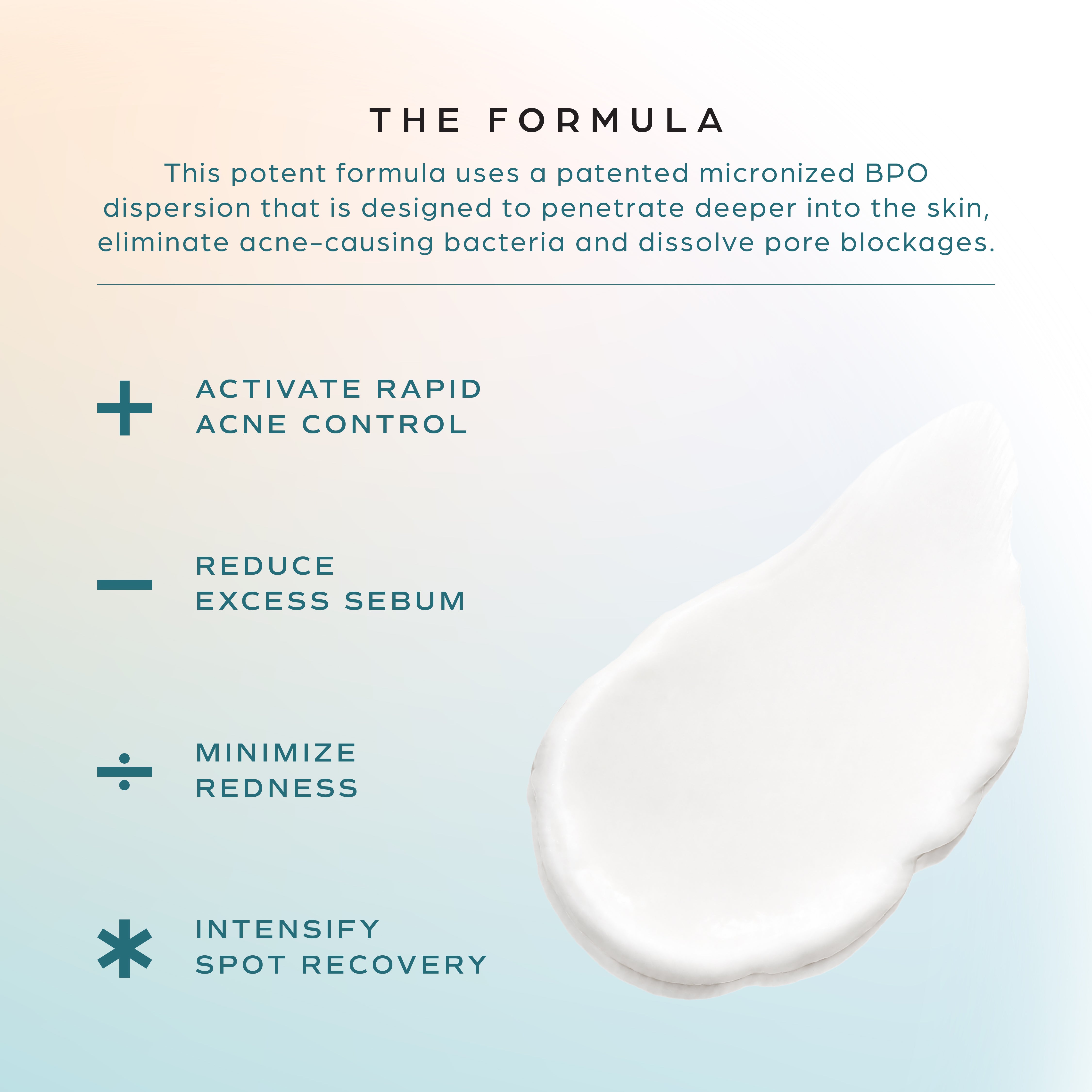
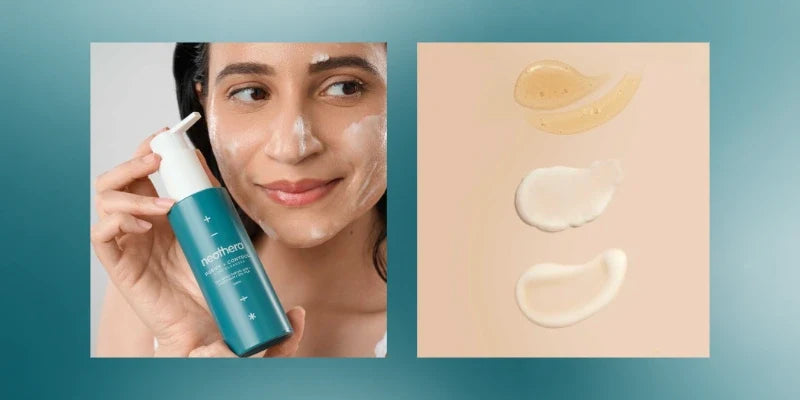
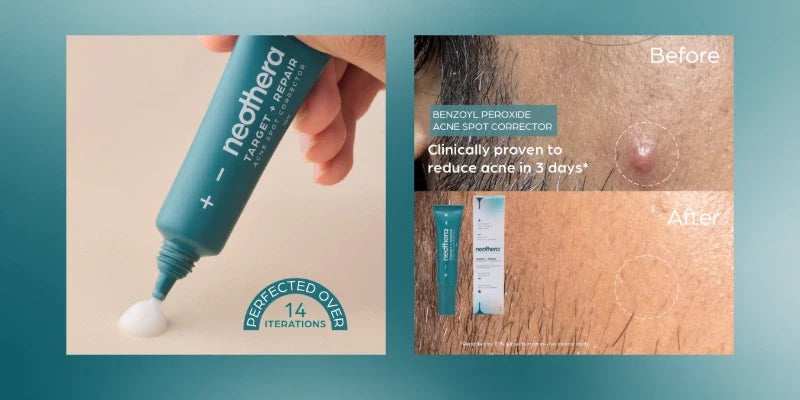
The Target + Repair | Acne Spot Corrector is formulated for active breakouts and pairs Hyaluronic Acid with acne-fighting actives, treating the spot while supporting hydration. Adopt the sandwich method while using this spot treatment: After using a non-drying acne cleanser like Purify + Control | Acne Cleanser - apply a layer of moisturizer, followed by the spot corrector, and then seal it again with a moisturizer. This will give your skin added protection from the What Counts as a Dermatologist Recommended Spot Treatment?
Among skin care products, a dermatologist recommended spot treatment is usually judged on three things: a clinically studied active at an appropriate strength, a formula that doesn't over-dry surrounding skin, and clear instructions on frequency. If a spot isn't improving after several weeks, or it's painful, deep and cystic, speak with a dermatologist rather than layering on more product.
Spot Treatment Actives at a Glance
| Active | Best For | Common Strength |
|---|---|---|
| Salicylic acid | Whiteheads, blackheads | 0.5% to 2% |
| Benzoyl peroxide | Inflamed, mild pimples | 2.5% to 10% |
| Azelaic acid | Post-acne marks, sensitive skin | 10% to 20% |
If breakouts keep showing up in the same spots, it's worth reading about how pores clog in the first place. Our guide to pore clogging breaks down what's happening underneath. For a deeper look at how actives interact with your skin,take a look at Neothera's skin science.
Faqs About Acne Spot Corrector
Treating spots, but new ones keep appearing?
A spot corrector handles what's already visible. The 8-Week Acne System looks at what's causing the breakouts in the first place, then treats source and surface together:
- Doctor-guided protocol from dermatologists and nutritionists.
- Clinically validated products for sensitive, acne-prone skin.
- Habit Tracker so you stay consistent.
- Neo, a 24x7 skin companion.
so you stay consistent
Can I use a spot treatment every day?
Most are designed for daily use, but check the label. If skin feels dry or tight, alternate days instead of stopping altogether.
How long before a spot treatment works?
Inflamed pimples often calm within a few days; clogged pores treated with salicylic acid usually take a few weeks.
Can I use two different spot treatments on the same pimple?
It is best to avoid it. Layering actives on one area raises the risk of irritation without necessarily improving results.
Should I use a spot treatment on a spot that hasn't surfaced yet?
Yes, if you can feel a bump forming under the skin. Early application often reduces how large or inflamed it becomes.
Is it normal for skin around the spot to peel?
Mild peeling can happen with Benzoyl Peroxide or Salicylic Acid, especially early on. Reduce frequency if it's excessive.
Products from this post