Article: 7 Reasons Skin Breaks Out During Festive Season (and a Simple Plan to Stay Calm)
7 Reasons Skin Breaks Out During Festive Season (and a Simple Plan to Stay Calm)
Written by Team Neothera | Reviewed by the Neothera Medical Panel
Key Takeaways about Skin Breakouts
- Festive breakouts usually come from several triggers stacking up: poor sleep, rich dense foods, heavy makeup, stress and sweat.
- Food may aggravate acne but is not a proven sole cause, and the evidence is stronger for high glycaemic foods than for dairy.
- A sudden breakout can be irritation or yeast, not only regular acne.
- Gentle cleansing, light hydration and fewer new products beat piling on actives.
The main reasons for skin breakouts at this time of year are broken sleep, sugary and fried food, heavy makeup, stress and trapped sweat, all arriving together. Diwali is the classic example, but weddings and holiday trips do the same. Here are the skin breakout causes worth knowing, and a plan to keep things calm.
What are the main reasons for skin breakouts in the festive season?
Festive celebrations can bring changes to your sleep, diet, skincare routine and stress levels, all of which may contribute to breakouts. Understanding these triggers can help you make small adjustments without giving up the celebrations. Here are the main factors that may contribute to festive-season acne.
1. Late nights
Less sleep can mean higher stress hormones, which may push oil production up. It is a common reason for skin breakouts when celebrations run past midnight.
2. Sugary and fried food
Mithai, namkeen and refined carbs have a high glycaemic index. A dermatologist presenting at an American Academy of Dermatology meeting said high glycaemic diets may be associated with acne.
3. Dairy
Does dairy trigger acne? Possibly. Some studies link milk, especially skim milk, with acne, but the evidence is mixed. The only way to know if it affects you is an elimination approach: cut dairy for a few weeks, reintroduce it, and watch how your skin responds. If you already know dairy is a trigger, it is best to avoid foods containing dairy, especially milk, through the festive season.
4. Heavy makeup, skipped removal
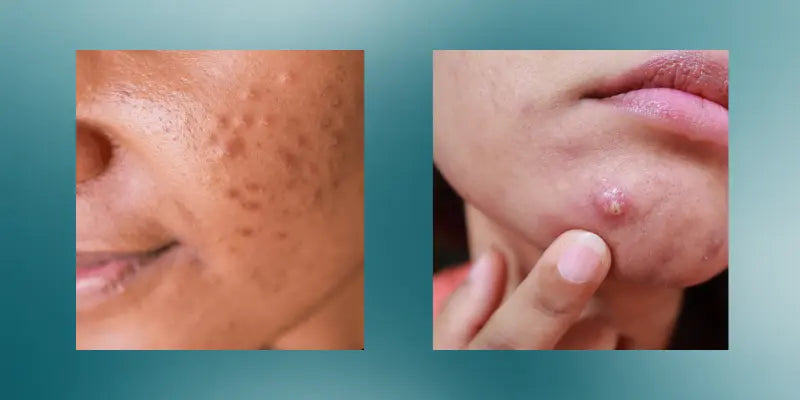
Thick bases, glitter and long-wear products can sit in pores overnight. And sometimes makeup formulas can be non-comedogenic i.e., pore-clogging. This often shows up as an acne breakout on the face, mostly where makeup sat thickest.
5. Stress
Hosting, shopping and family is a lot of pressure – and this can raise cortisol, the body’s main stress hormone. Research shows stress hormones such as CRH can act directly on the oil glands and increase sebum production, and stress also feeds inflammation. More oil plus more inflammation makes pores clog and flare more easily. Regular sleep, short breaks and a walk after heavy meals help keep stress in check.
6. Sweat, heat and yeast
Crowded rooms, synthetic fabrics and oily products create a warm, damp setting where Malassezia yeast can overgrow. That is fungal acne, not bacterial acne, and it tends to be small, uniform and itchy. Standard acne products may not help. Our fungal acne guide covers the differences, and the table below flags ingredients that trigger fungal acne.
7. Too many new products
Festive facials, bleach and viral serums may contain fragrances or ingredients that irritate the skin. This can weaken an already compromised skin barrier, making acne-prone skin more reactive and prone to breakouts. Using a new product right before a function that doesn’t suit the skin is a common cause of sudden breakouts. Introduce one change at a time so you know what caused what.
Festive Flare-Ups vs Regular Acne
A festive flare-up tends to appear soon after the trigger and ease within a few weeks once routines settle. Breakouts that return in the same spots every month, or sit deep and tender, suggest an ongoing pattern worth investigating.
A simple plan to stay calm
- Cleanse properly at night. Remove makeup with a gentle remover first, then cleanse with Purify + Control Acne Cleanser. It is oil-free and non-comedogenic, with Salicylic Acid, Succinic Acid and Zinc PCA to clear sweat, makeup and oil buildup without stripping skin. In the morning, a quick cleanse is enough.
- Hydrate lightly. Use a lightweight, non-comedogenic moisturizer to keep your barrier comfortable.
- Keep actives to one. Add nothing new for a week before an event.
- Enjoy the food, with a pattern check. Have the sweets, but add fibre to the meal (vegetables, salad, dal, whole grains). It helps blunt the sudden blood glucose spike from sugary food. Notice whether dairy or sugar-heavy days precede flare-ups, and keep a regular wake-up time.
- Support from within. Clear + Balance Acne Nutrition Support is designed to work with your skin’s internal triggers rather than only treating the surface.
Quick label check before you buy anything new for the festive season:
| Ingredient | Often Found In | Why It Matters |
|---|---|---|
| Coconut Oil | Cleansing balms, hair oils | Is highly comedogenic, meaning it can clog pores, and is a common fungal acne concern. |
| Isopropyl Myristate | Primers, lotions | Often flagged as pore-clogging. |
| Cocoa Butter | Rich body creams, lip balms | Heavy texture can clog facial pores. |
Breakout right before the function?
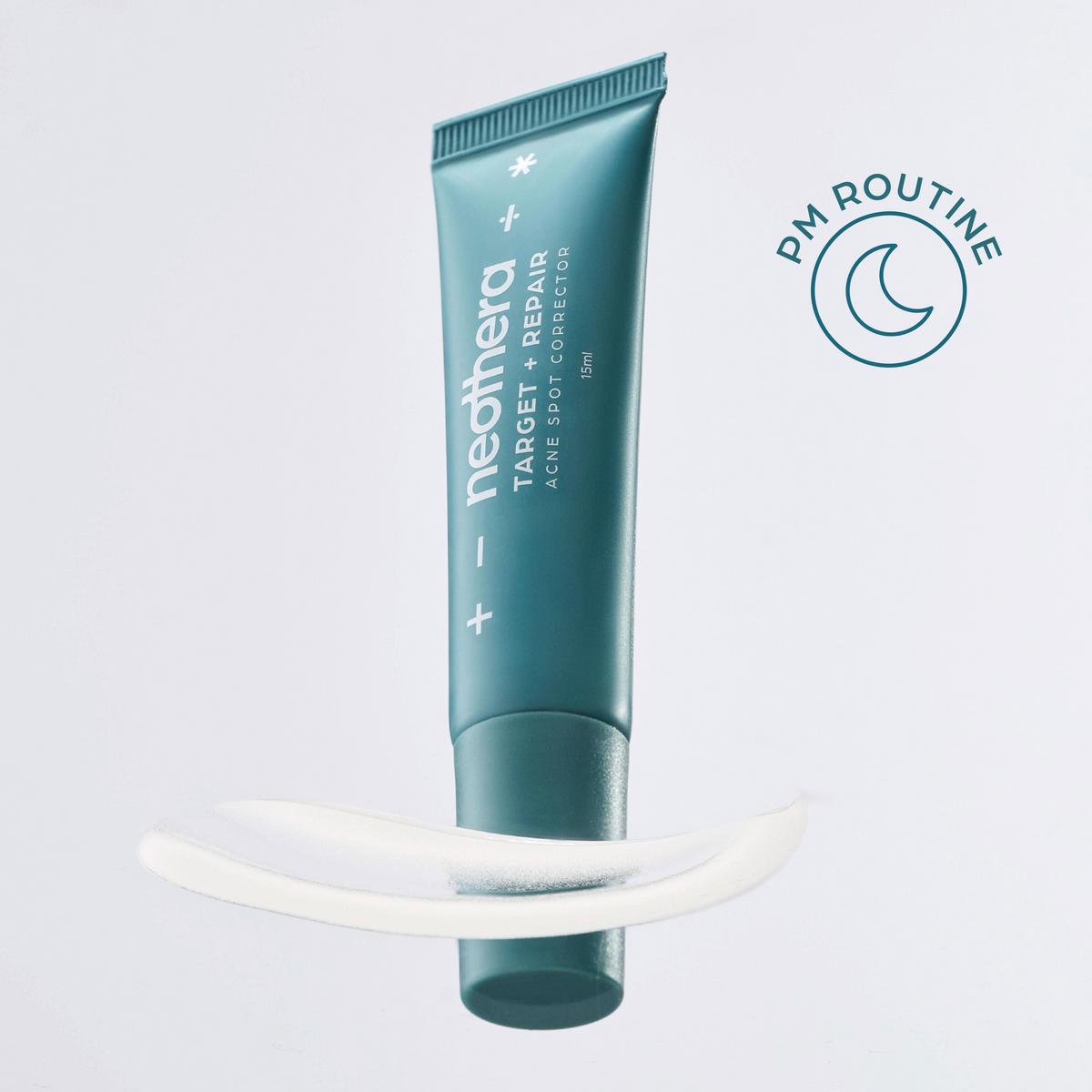
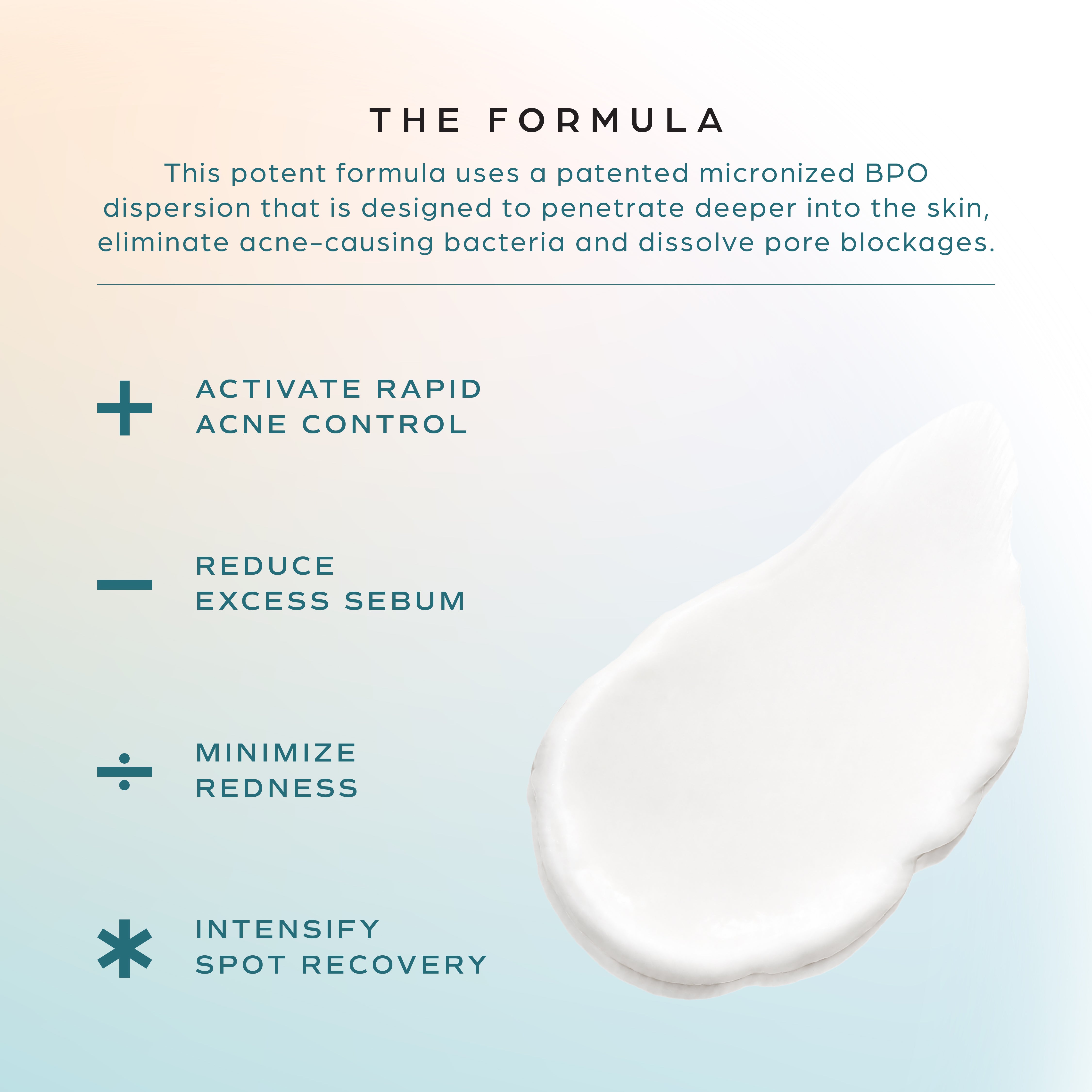
For a single flare-up, Target + Repair Acne Spot Corrector treats the spot without disturbing the rest of your face. Apply a thin layer on active spots, then moisturise.
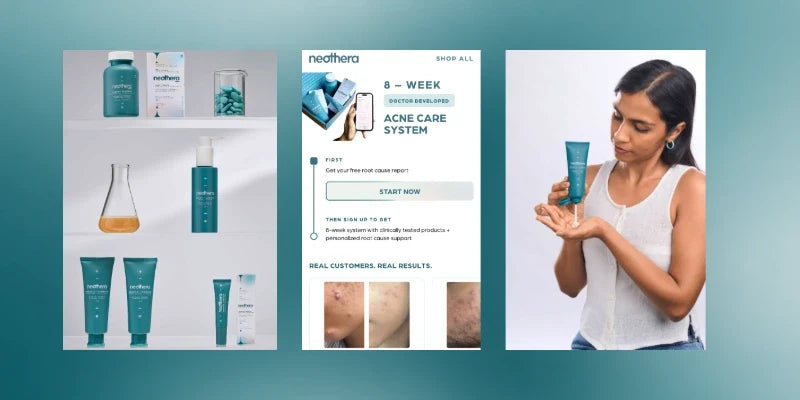
Same spots every festive season? The 8-Week Acne System is a doctor-guided programme with a Habit Tracker, Neo (a 24x7 skin companion) and a clinically validated product kit, built to find what is driving your acne.
Explore the 8-Week Acne SystemFAQs on Skin Breakouts During Festive Seasons
How long does a festive breakout take to settle?
Most mild flare-ups ease within a few weeks of calmer habits. Deep or painful spots may take longer.
Can I wear makeup during a breakout?
Yes, choose non-comedogenic formulas and remove them thoroughly every night.
Does sugar-free mithai help skin?
Not proven. Lower glycaemic load may help, but individual responses vary, so track your own skin.
Could my pillowcase be causing breakouts?
It can add to them. Change it weekly, or more often if you wear makeup or hair oil to bed.
When should I see a dermatologist?
If breakouts are painful, scarring, itchy and uniform, or persist for more than six to eight weeks despite a gentle routine.
Products from this post